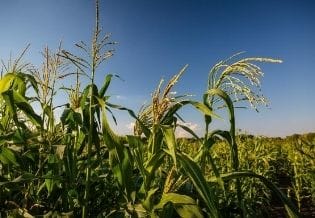
Submit Your Plant Genetics and Crop Science Research
Join leading agricultural scientists publishing breakthrough research in plant breeding, crop physiology, and sustainable agriculture systems
Two Convenient Submission Methods
Choose the submission method that works best for your research workflow. Both options provide secure, efficient manuscript handling with full tracking capabilities.
ManuscriptZone Portal
Our comprehensive submission platform designed for agricultural science researchers. Ideal for complex manuscripts with multiple figures, supplementary data, and collaborative authorship.
- Auto-save functionality protects your work
- Real-time submission status tracking
- Direct access to reviewer comments
- Guided workflow for complex submissions
- Secure file upload for large datasets
- Collaborative author management tools
Quick Submission Form
Streamlined submission process for straightforward manuscripts. Perfect for short communications, rapid reports, and single-author submissions without account creation.
- No account registration required
- Simple, intuitive interface
- Fast submission in under 10 minutes
- Ideal for time-sensitive research
- Direct manuscript upload
- Immediate confirmation email
Agricultural Science Article Types We Publish
We welcome diverse research contributions that advance understanding in plant genetics, crop improvement, and agricultural systems. Each manuscript type undergoes rigorous peer review by experts in agricultural sciences.
Original Research Articles
Comprehensive studies in plant breeding, genetic mapping, crop physiology, or agricultural systems research. Present novel findings with robust experimental design.
Crop Improvement Studies
Research on yield enhancement, stress tolerance, disease resistance, or quality traits in major and minor crops. Include field trial data and genetic analysis.
Molecular Genetics Reports
Gene discovery, QTL mapping, genomic selection, CRISPR applications, or functional genomics in crop species. Emphasize translational potential.
Soil-Plant Interactions
Studies on nutrient uptake, rhizosphere dynamics, soil microbiology, or plant-soil feedback mechanisms affecting crop productivity.
Agricultural Technology
Innovations in precision agriculture, remote sensing, phenotyping platforms, or digital farming tools that enhance crop management and research.
Review Articles
Comprehensive syntheses of current knowledge in plant genetics, breeding methodologies, or emerging agricultural technologies. Must provide critical analysis.
Methods & Protocols
Novel techniques for plant phenotyping, genetic analysis, tissue culture, or field experimentation. Include validation data and troubleshooting guidance.
Short Communications
Rapid reports of preliminary findings, novel observations, or time-sensitive agricultural research requiring immediate dissemination to the community.
Climate-Resilient Agriculture
Research on crop adaptation to climate change, drought tolerance, heat stress responses, or sustainable farming practices for changing environments.
Pre-Submission Checklist
Ensure your manuscript meets our requirements before submission. Complete manuscripts receive faster editorial screening and enter peer review more quickly.
Word (.docx) or LaTeX format, double-spaced, with line numbers for reviewer reference
High-resolution images (300 DPI minimum), TIFF or EPS format, with descriptive captions
Field trial permits, institutional approvals, or biosafety clearances as applicable
All co-authors have reviewed and approved the manuscript for submission
Financial relationships, patents, or conflicts disclosed transparently
Raw data, genetic sequences, or experimental protocols available upon request or deposited
Agricultural Research Tip: For field studies, include detailed information about experimental design, location coordinates, soil properties, and environmental conditions. For genetic studies, deposit sequences in GenBank and provide accession numbers. This transparency accelerates peer review and enhances reproducibility.
Transparent Peer Review Timeline
We value your time and provide clear expectations for each stage of the publication process. Our agricultural science editors and reviewers work efficiently to provide constructive feedback.
Submission Received
Your manuscript enters our system immediately. You receive confirmation with a unique tracking number. Our editorial team begins initial screening for scope and completeness.
Day 0Editorial Screening
Editor-in-Chief or Associate Editor with expertise in your research area reviews the manuscript for scientific merit, methodological rigor, and fit with journal scope. Plagiarism check performed.
3 daysPeer Review Assignment
Manuscripts passing editorial screening are sent to 2-3 expert reviewers specializing in your specific area (plant breeding, crop physiology, soil science, etc.). Reviewers selected based on publication record and expertise.
5 daysExpert Review Period
Reviewers evaluate experimental design, data analysis, interpretation, and significance to agricultural science. They provide detailed feedback on methodology, results presentation, and conclusions.
21 daysEditorial Decision
Editor synthesizes reviewer feedback and makes decision: Accept, Minor Revisions, Major Revisions, or Reject. You receive detailed comments and clear guidance for revisions if applicable.
28 days totalRevision & Re-review
Submit revised manuscript with point-by-point response to reviewers. Revised manuscripts undergo expedited re-review focusing on how concerns were addressed. Most revisions accepted after single round.
14 daysAcceptance & Production
Accepted manuscripts enter production for copyediting, typesetting, and final formatting. You review proofs before publication. Open Access ensures immediate global visibility.
10 daysPublication & Indexing
Your research is published online with DOI assignment. Automatic indexing in major databases ensures discoverability by the global agricultural research community.
~60 days totalAverage Time to Publication: From submission to online publication, most manuscripts complete the process in approximately 60 days. Fast-track review available for time-sensitive agricultural research (e.g., emerging crop diseases, urgent climate adaptation studies).
Why Agricultural Scientists Choose JGRC
Comprehensive Indexing
Your research gains worldwide visibility through indexing in Google Scholar, connecting it with the global scientific community.
Expert Agricultural Reviewers
Peer review by active researchers in plant genetics, crop science, and agricultural systems
Fast Editorial Decisions
Average time to first decision: 21 days. Transparent process with regular status updates
55% Acceptance Rate
Selective yet accessible. We publish high-quality research that advances agricultural science
Immediate Open Access
Your research reaches farmers, breeders, policymakers, and scientists worldwide instantly
COPE
Committee on Publication Ethics guidance. We uphold the highest standards of research integrity
APC Waivers Available
Financial support for researchers from low-income countries and unfunded studies
Author Support Services
Dedicated editorial assistance throughout submission, review, and publication process
Submission Requirements for Agricultural Research
Manuscript Preparation Guidelines
Structure your manuscript to facilitate peer review and ensure reproducibility of your agricultural research:
- Title: Concise and informative. Include crop species, trait studied, or agricultural system investigated.
- Abstract: 250-300 words summarizing objectives, methods, key results, and implications for crop improvement or agricultural practice.
- Keywords: 5-7 terms for indexing. Include crop species, traits, methodologies, and agricultural context.
- Introduction: Establish agricultural significance, review relevant literature, state clear objectives.
- Materials and Methods: Detailed description of plant materials, experimental design, field/greenhouse conditions, analytical methods. Include statistical approaches and software used.
- Results: Present findings logically with appropriate tables and figures. Report statistical significance and effect sizes.
- Discussion: Interpret results in context of existing knowledge. Address limitations and implications for breeding programs or agricultural management.
- Conclusions: Summarize key findings and their significance to agricultural science and practice.
- References: Cite primary literature. Follow journal citation style (available in author guidelines).
Data and Materials Sharing
To promote reproducibility and accelerate agricultural research progress:
- Deposit genetic sequences in GenBank, EMBL, or DDBJ with accession numbers provided
- Share phenotypic datasets in public repositories (Dryad, Figshare) or as supplementary files
- Make plant materials available through seed banks or germplasm repositories when possible
- Provide detailed protocols for novel methodologies to enable replication
- Include raw data for meta-analyses and systematic reviews
Ethical Considerations
Agricultural research must meet ethical standards for field trials and genetic studies:
- Obtain necessary permits for field trials and GMO research from regulatory authorities
- Follow biosafety protocols for genetically modified organisms
- Acknowledge traditional knowledge and ensure benefit-sharing for indigenous crop varieties
- Declare conflicts of interest related to seed companies, agrochemical firms, or patents
- Ensure environmental safety in field experiments and report any adverse effects
Frequently Asked Questions
What types of agricultural research does JGRC publish?
We publish research across the full spectrum of plant genetics and crop science: molecular genetics and genomics, quantitative genetics and breeding, crop physiology and biochemistry, plant-environment interactions, agricultural systems and sustainability, precision agriculture technologies, and translational research with practical applications for farmers and breeders.
Do you accept research on all crop species?
Yes. We welcome research on major crops (wheat, rice, maize, soybean), specialty crops (vegetables, fruits, ornamentals), underutilized crops, and model plant species when findings have translational potential for crop improvement. We particularly encourage submissions on climate-resilient crops and orphan crops important for food security.
What is your policy on preprints?
We encourage preprint posting on bioRxiv, AgriXiv, or other recognized servers. Preprint posting does not affect consideration for publication. Please disclose preprint DOI during submission.
How long does peer review take?
Average time to first decision is 21 days for original research articles. Short communications receive expedited review (14 days). Review articles may take up to 28 days due to their comprehensive nature. We provide regular status updates throughout the process.
What happens if my manuscript is rejected?
You receive detailed feedback from reviewers and the editor explaining the decision. This feedback can guide revisions for submission elsewhere. If rejection is due to scope mismatch rather than quality issues, we may suggest alternative journals within our publishing network.
Are there article processing charges (APCs)?
Yes, as an Open Access journal, we charge APCs to cover peer review, production, and hosting costs. However, we offer waivers and discounts for authors from low-income countries, unfunded research, and early-career scientists. Financial constraints never prevent publication of quality research.
Can I suggest reviewers?
Yes, you may suggest up to 3 potential reviewers during submission. Please provide their names, affiliations, email addresses, and expertise areas. You may also request exclusion of specific reviewers with justification. Final reviewer selection remains at editorial discretion.
Do you accept manuscripts previously rejected elsewhere?
Yes, we evaluate each manuscript on its scientific merit regardless of previous submission history. If you received constructive reviews elsewhere, addressing those comments before submitting to JGRC can strengthen your manuscript and accelerate our review process.
Ready to Share Your Agricultural Research?
Join the global community of plant geneticists and crop scientists advancing food security and sustainable agriculture. Our editorial team is here to support you throughout the publication process.
Submit Your Manuscript Quick Submission FormNeed assistance with your submission? Our editorial team is available to answer questions about manuscript preparation, submission process, or journal policies.
[email protected]Editor in chief